Repair & Reuse
Why a Repair Café Works Socially Before It Works Materially
The number of items mended at a repair session is modest. The reason the model has spread across dozens of countries is not the repair count.
There is a settled way of talking about how repair cafés function. It is worth asking how much of it survives contact with the detail.
The argument in brief
- Sessions repair a limited number of items in a fixed time.
- Owners are expected to participate rather than drop items off.
- The transferable output is confidence, not the mended object.
What actually happens at a session
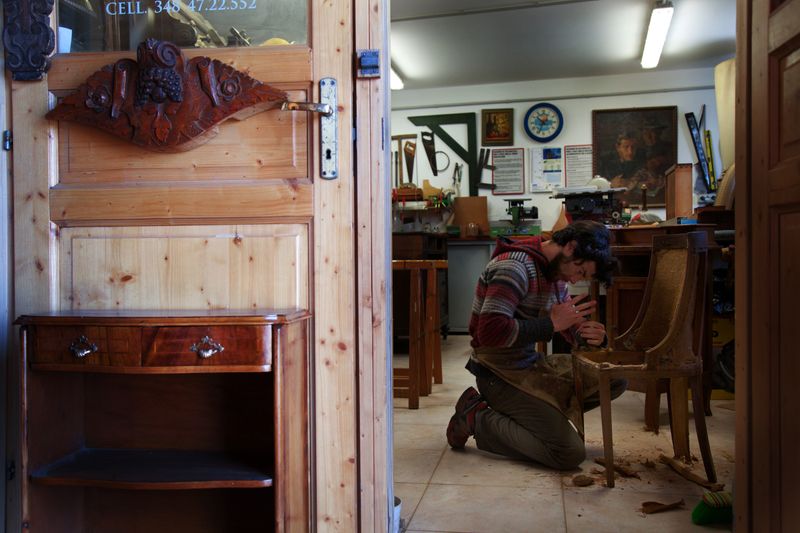
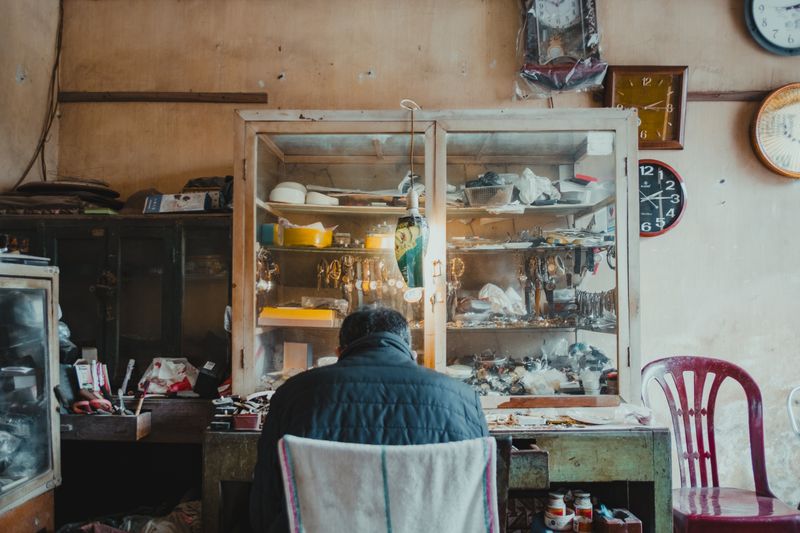
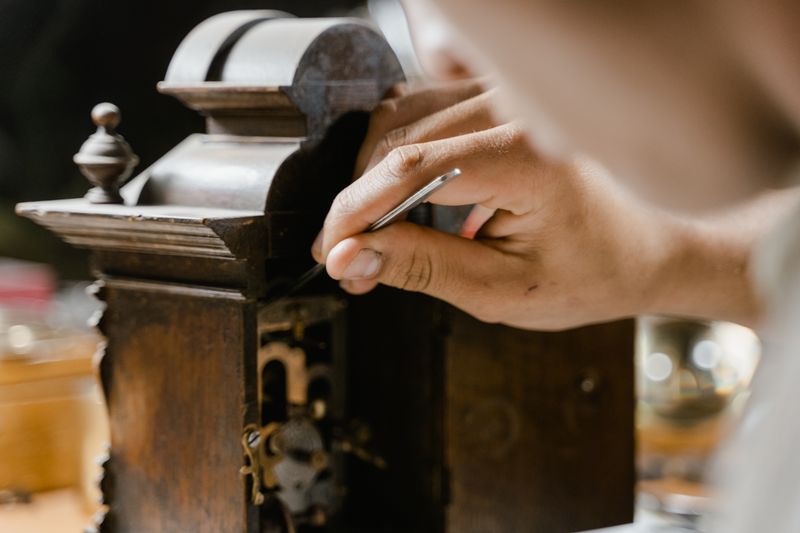
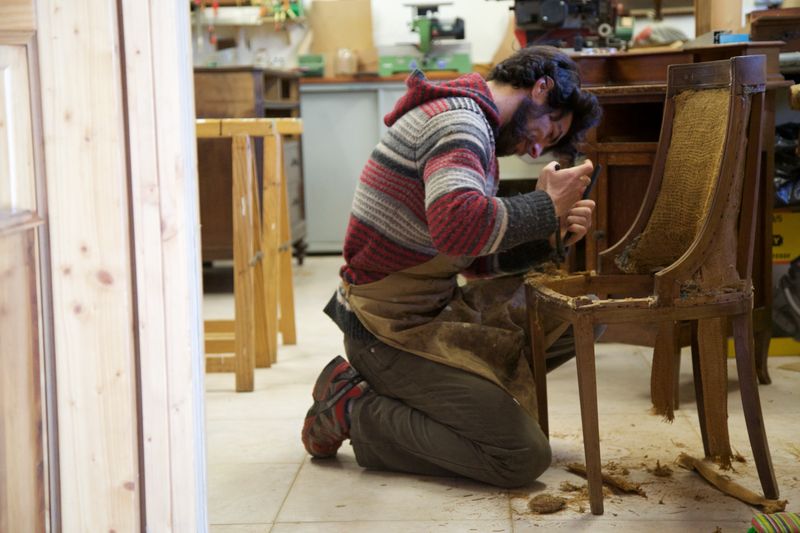
A repair café is a scheduled event where volunteers with tools help people fix things they brought, rather than a service that fixes them for you. The distinction is deliberate and is enforced by asking the owner to sit at the table while the work is done.
A typical session handles a limited number of items, since diagnosis takes longer than repair for most household faults. Success rates are usually well short of complete, and organisers are generally straightforward that some items cannot be saved. Measured purely by items diverted from waste, the output of any single session is small.
Why the numbers are not the point
The person who watched their kettle being opened learns that it contains three components and one of them had failed. That single observation changes how they think about the next appliance, which is a durable effect and does not appear in any repair count. Repair cafés consistently report that visitors return with different items and increasingly attempt things themselves first.
Bought used, diverting the object matters less than removing the assumption that broken means finished. The model spread quickly across many countries because the social experience is repeatable in a way that a repair service is not.
Who the volunteers are
Sessions depend on people with practical skills, frequently retired engineers, electricians, seamstresses and mechanics, whose expertise otherwise has nowhere to go. For those volunteers the value is being useful in a specific competent way, which is a different proposition from general volunteering.
On the shop floor, skill transfer between volunteers happens continuously and is one reason people keep returning. Recruiting them is easier than most volunteer roles, because the ask is concrete and time-limited. The main constraint is usually the range of skills present rather than the number of people.
Constraints on what can be attempted
Electrical work is limited by what can safely be done without formal qualification, and the boundaries differ by jurisdiction. Most sessions will not work on anything gas-related, anything structural, or items where a fault could cause harm after the visitor leaves. Insurance and a disclaimer are standard, and reputable events explain clearly what they will and will not attempt.
Missing spare parts stop more repairs than missing skill, which is the recurring frustration of the whole model.
Being explicit about all of this in advance sets expectations and reduces disappointment considerably.
What it takes to run one
A venue with tables, power, decent light and somewhere to make tea, plus a small stock of common tools and consumables. A booking or queuing system, because unmanaged demand produces long waits and a bad first experience for newcomers.
Over a funding cycle, public liability insurance, a written safety procedure and a record of what was attempted and what happened. A regular fixed date matters more than frequency, since visitors need to be able to plan around it. International networks publish free guidance, templates and safety documentation, which removes most of the setup work.
Where the model reaches its limits
It cannot fix the design decisions that made an item unrepairable, which is where the movement overlaps with policy campaigning. It works best on small items people can carry, which excludes most of the household goods that dominate waste by weight. It depends on a volunteer skill base that is ageing in many places, and transferring those skills is a stated concern within the movement.
It also cannot substitute for professional repair on anything safety-critical, and good organisers say so. Understood as a way of restoring the expectation of repair rather than as a waste service, the model does what it claims.
The takeaway
Go for the kettle, come away with the knowledge that a kettle has three parts.
Unrestricted money is the most useful gift and the least satisfying to make.
Questions readers ask
Will they fix anything I bring?
Within limits: most sessions exclude gas work, structural repairs and anything that could be unsafe afterwards. Missing spare parts stop more repairs than missing skill.
Do I have to stay while it is repaired?
Yes, at most events, because participation is the point rather than a condition. You are expected to hold things, watch and learn rather than drop off and collect.
Also by Nirmala Saxena
- Naming a Charity in a Will Without Creating a ProblemGiving & Donating
- What Employer Matching Schemes Actually MatchGiving & Donating
- The Second Gift Is the One Fundraisers Care AboutGiving & Donating
- The Volunteer Roles Charities Struggle Hardest to FillVolunteering