Secondhand & Thrift
Why Second-Hand Books Are Nearly Worthless and Which Ones Are Not
Almost every used book is worth less than the cost of listing it. The exceptions follow rules that have little to do with age or quality.

The points below about the used book market are ordered by how much difference they make, not by how often they get repeated.
What matters most
- Supply of mass-market titles vastly exceeds demand for them.
- Handling and postage cost more than most used books realise.
- Scarcity, edition and condition drive value far more than age.
Why the market clears at almost nothing
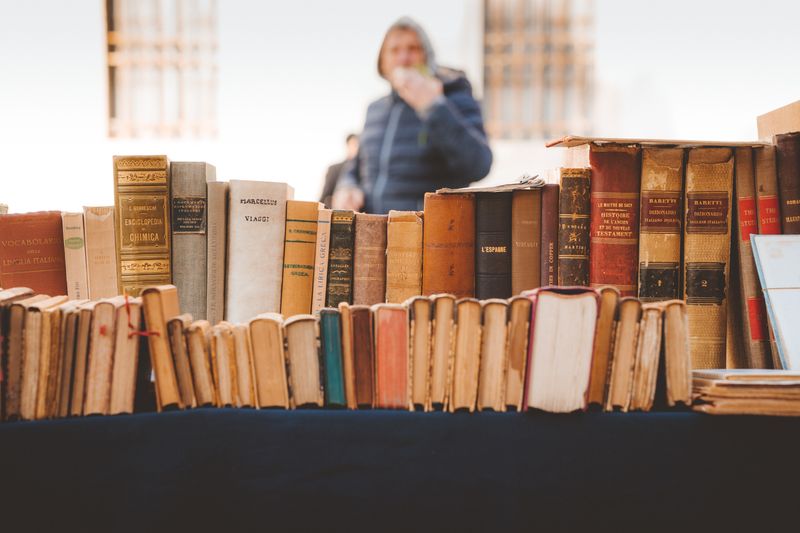
Popular books were printed in enormous numbers, kept carefully by their owners and are now being disposed of by a whole generation simultaneously. Supply therefore vastly exceeds demand for any title that sold well, which is the opposite of the intuition most sellers bring. The cost of listing, storing, packing and posting a book is roughly fixed regardless of the book's value, and frequently exceeds it.
This is why charity shops price ordinary paperbacks at a nominal sum and why booksellers decline whole boxes without opening them. The book being in excellent condition changes little when a thousand other copies are also in excellent condition.
What actually carries value
Scarcity is the primary driver, which usually means a short print run, a withdrawn edition or a title that never sold well in the first place. First editions of books that became important later are valuable precisely because the first printing was small before anyone knew. Signed copies carry a premium where the signature is verifiable and the author is significant, and very little where either condition fails.
Technical, academic and specialist books hold value because print runs were small and demand persists in a narrow professional group. Condition then multiplies whatever scarcity has established, which is why it matters enormously for rare books and hardly at all for common ones.
The dust jacket rule
For twentieth-century collectable fiction, the jacket frequently accounts for the large majority of a copy's value. Jackets were discarded, torn or faded by readers who saw them as packaging, which makes surviving examples much scarcer than the books themselves. A first edition without its jacket can be worth a small fraction of the same copy with one, which surprises almost everyone.
Price-clipped jackets, where the printed price has been cut off, are worth less than intact ones for the same reason. This is the single most useful piece of knowledge for anyone sorting an inherited library.
Books that are worth less than they look
Old does not mean valuable, and nineteenth-century religious volumes, encyclopaedias and bound sermon collections survive in very large numbers. Encyclopaedia and reference sets are effectively unsellable, since the information is superseded and the volumes are heavy to post. Book club editions, later printings and reprints are common and are frequently mistaken for first editions by their owners.
Condition problems that cannot be reversed, including damp, foxing, mould and inscriptions, remove most of the value that scarcity created. Leather binding indicates how the book was sold rather than what its contents are worth.
Where a book is worth more than nothing
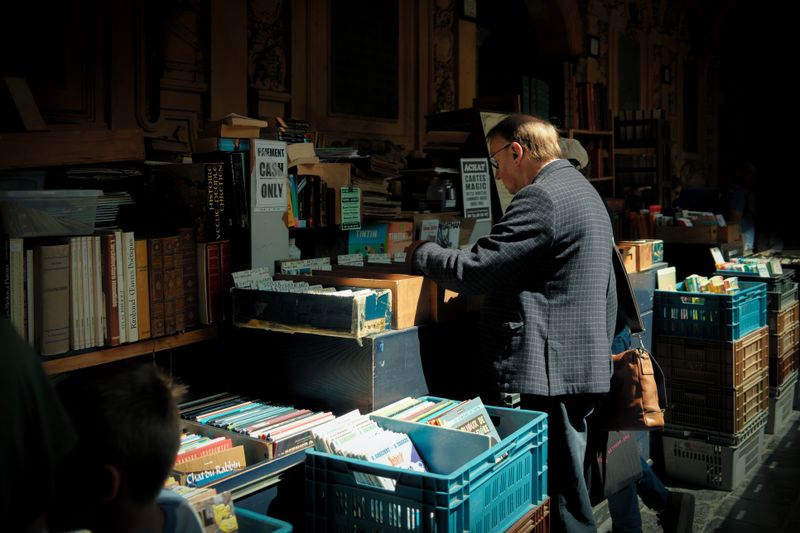
Selling directly to readers in a specialist community reliably beats selling into the general used market for anything technical or niche. Charity shops with a dedicated book section frequently identify and separate valuable stock, which is why the good material rarely reaches the shelf. Local dealers will look at a collection but generally want the whole thing, including the unsellable part, which is priced accordingly.
For most households, giving books to a shop, a community library or a book exchange is the rational outcome rather than a defeat. The exception is worth checking for, and checking a handful of likely candidates takes a few minutes.
Tax treatment of donations varies by country and by the way the gift is made.
Checking before you clear a shelf
Look for the printing line or edition statement rather than the copyright date, since the two often disagree in ways that matter. Search completed sale prices rather than asking prices, because asking prices in this market are frequently aspirational fiction. Set aside anything signed, anything technical, anything with a jacket in good condition and anything you have never heard of.
Do not clean, repair or trim anything before valuing it, since amateur repair reduces value more reliably than the original damage did. Then let the rest go without agonising, because storage costs you more than the shelf is worth.
Everything above, in order of what to do first
- Why the market clears at almost nothing. Popular books were printed in enormous numbers, kept carefully by their owners and are now being disposed of by a whole generation simultaneously.
- What actually carries value. Scarcity is the primary driver, which usually means a short print run, a withdrawn edition or a title that never sold well in the first place.
- The dust jacket rule. For twentieth-century collectable fiction, the jacket frequently accounts for the large majority of a copy's value.
- Books that are worth less than they look. Old does not mean valuable, and nineteenth-century religious volumes, encyclopaedias and bound sermon collections survive in very large numbers.
- Where a book is worth more than nothing. Selling directly to readers in a specialist community reliably beats selling into the general used market for anything technical or niche.
- Checking before you clear a shelf. Look for the printing line or edition statement rather than the copyright date, since the two often disagree in ways that matter.
The takeaway
Sort for scarcity and jackets, then let the rest go; storage costs more than the shelf is worth.
Unrestricted money is the most useful gift and the least satisfying to make.
Questions readers ask
Is my old book valuable because it is a hundred years old?
Rarely. Age is not scarcity, and many old categories survive in huge numbers. Short print runs and unexpected later significance drive value instead.
Does the dust jacket really matter that much?
For collectable twentieth-century fiction, yes. Jackets were routinely discarded, so surviving ones are scarcer than the books and often carry most of the value.
Also by Nirmala Saxena
- Naming a Charity in a Will Without Creating a ProblemGiving & Donating
- What Employer Matching Schemes Actually MatchGiving & Donating
- The Second Gift Is the One Fundraisers Care AboutGiving & Donating
- The Volunteer Roles Charities Struggle Hardest to FillVolunteering