Giving & Donating
The Donation Drive That Ends Up Costing the Charity Money
Collections of goods generate strong participation and a mountain of sorting. Whether the result helps depends almost entirely on whether anybody asked first.
This is written to be used rather than admired. Each section below is a decision about in-kind donation drives, and each one has a default.
Before you start
- Sorting labour scales with volume, not with usefulness.
- Unsolicited goods rarely match the specification actually needed.
- Asking the recipient organisation first changes the outcome entirely.
What a drive reliably produces
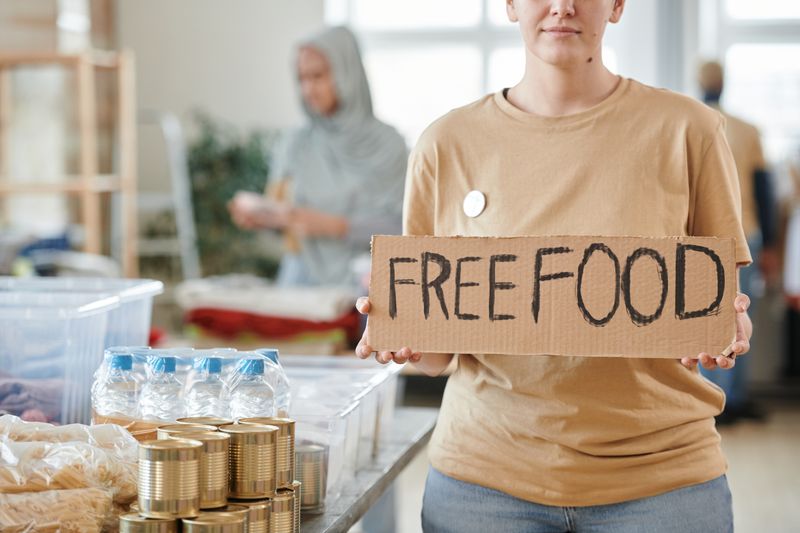
A collection point in an office or a school produces volume quickly, because giving an object costs less deliberation than giving money. The volume is real, but it is a sample of what people already own and want gone rather than a sample of what anybody needs. Clothing drives predictably yield adult outerwear when the shortage is children's underwear, and food drives yield pasta when the shortage is toiletries.
The mismatch is structural rather than a failure of generosity, because nobody buys a new item specifically to donate it unless asked to. That single behavioural fact explains most of what goes wrong with in-kind collections.
Sorting is the hidden bill
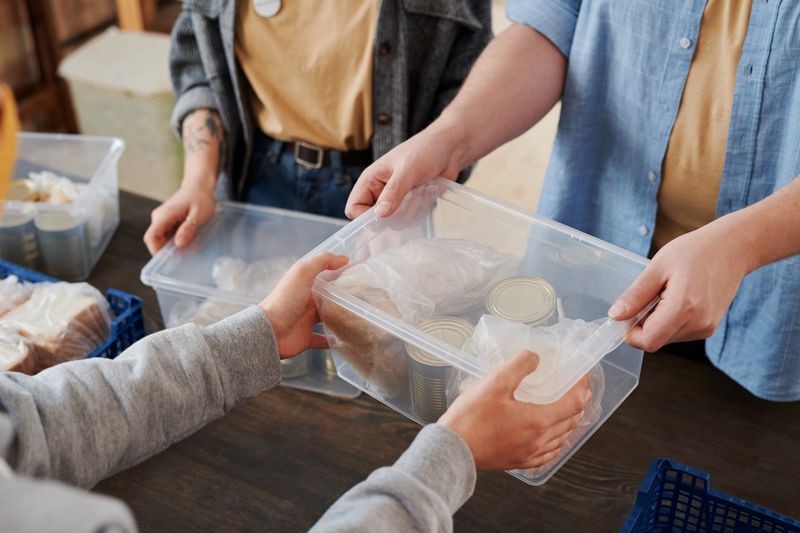
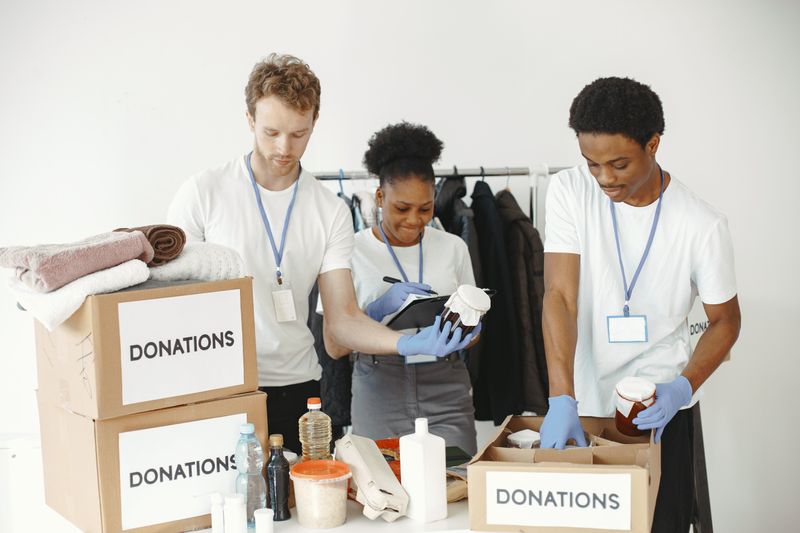
Every item arriving has to be opened, assessed, categorised, checked for damage and either shelved or discarded, and each of those steps takes seconds that multiply. A pallet of mixed donations can consume a day of volunteer time before anything reaches the person it was meant for. Food banks additionally check expiry dates individually, which is slow, and must discard anything opened, damaged or past date regardless of how usable it looks.
The labour cost lands entirely on the recipient, while the credit for the drive lands entirely on the organiser. This is the asymmetry that makes goods drives feel better to run than to receive.
The specification problem
Organisations working with specific populations usually have precise requirements, whether that means unopened toiletries, particular sizes, or equipment meeting a standard. A donated item that misses the specification cannot simply be used anyway, because the rules protecting the recipients are the reason the rules exist.
Second-hand cot mattresses, opened medicines and unlabelled upholstery are refused everywhere for reasons that have nothing to do with fussiness. Well-run drives publish a short accept-and-refuse list in advance, which raises the useful yield dramatically and cuts sorting time. The list is usually available for the asking, and the asking takes one phone call.
Storage and the tail
Whatever cannot be used immediately has to be stored, and small organisations frequently do not have a room that is not already doing something else. Goods that sit unusable eventually become a disposal problem, complete with a fee and a van and somebody's Saturday.
Large emergency responses have repeatedly described unsolicited goods arriving in volumes that block ports, warehouses and roads needed for the actual response. The phenomenon is familiar enough in humanitarian logistics that practitioners have a standing name for it, referring to a second disaster arriving behind the first.
It is worth remembering that the goods were given by people acting in complete good faith.
When a goods drive is the right instrument
A drive works well when the recipient has specified the items, has somewhere to put them, and has people available to distribute them. It works particularly well for durable non-perishable items with a long shelf life and no size or fit requirement. It also works when the point is partly social, because a collection in a workplace or a school builds the connection that later produces money and volunteers.
Naming that second purpose honestly is better than pretending a mixed bag of tins was the optimal intervention. The failure mode is only when the drive substitutes for what was actually needed.
Organisations need what they say they need, which is often unglamorous and often money.
Running one that helps
Contact the organisation before publicising anything and ask what they want, in what quantity, and by when. Publish the list unambiguously, including the refusals, and put someone in charge of turning away items that miss it.
From the receiving end, offer to deliver rather than expecting collection, and deliver in a state that requires no further sorting at the other end. Offer a cash option alongside the goods, because most organisations can buy at wholesale prices that individual donors cannot reach. Then ask afterwards what proportion was usable, and let the answer shape the next one.
The takeaway
Ask what they need, in writing, before you put a box in the lobby.
Give the boring thing they asked for rather than the interesting thing you have.
Questions readers ask
Are food bank donations better given as money?
Money usually goes further because organisations buy at wholesale rates and can fill exact gaps. Goods still help when the organisation has published a shortage list and you match it.
What should never go into a general goods drive?
Anything opened, anything with a safety label requirement, medicines, and used items intended for infants. When in doubt, ask rather than assume the organisation will find a use.
Also by Ekavali Shukla
- Why Unrestricted Money Is Worth More Than the Same Amount Ring-FencedGiving & Donating
- What a Standing Order Buys That a One-Off Gift CannotGiving & Donating
- Why Aid Agencies Ask for Money and Not BlanketsGiving & Donating
- Why Every Appeal Asks for a Specific NumberGiving & Donating