Repair & Reuse
Upcycling Usually Destroys Value, and Occasionally Creates It
Turning an old thing into a different thing is satisfying and frequently makes it worth less than it was. The exceptions follow a clear rule.

There is a settled way of talking about when modification adds or removes value. It is worth asking how much of it survives contact with the detail.
The argument in brief
- Irreversible modification removes the item from its original market.
- Painting solid timber furniture generally reduces resale value.
- Modification pays where the item had no functioning market anyway.
The market a modification removes
Every used item sits in a market of people who want that item as it is, and modification removes it from that market entirely. The new item then has to find its own buyer, and the market for one-off modified objects is very much smaller. This is why so much upcycled furniture sits unsold at prices below what the unmodified piece would have made.
The effect is strongest where the original had a recognisable identity that collectors or enthusiasts were looking for. It is weakest, and often absent, where the item was mass-produced and unwanted in its original form.
Painted timber as the standard example
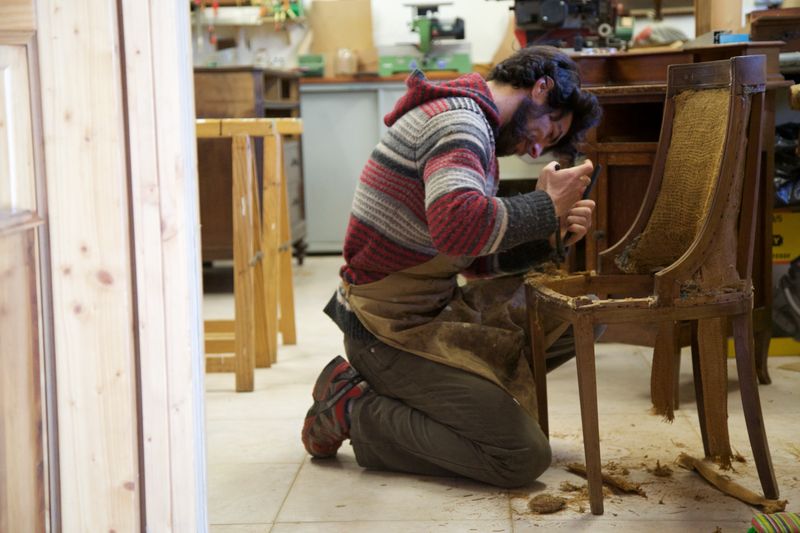
Solid timber furniture with original finish, veneer or marquetry generally loses value when painted, and the loss is not recoverable. Stripping paint from veneer frequently destroys the veneer, and stripping from solid timber removes patina that took decades to develop.
Over a funding cycle, the furniture trade is broadly consistent on this, which is why dealers buy unpainted pieces and avoid painted ones. The counterexample is genuinely damaged, mismatched or low-quality furniture, where paint makes an unsellable item usable. The test is whether anyone was going to want it as it was, which is a question about the piece rather than about taste.
Reversibility as the deciding property
A modification that can be undone leaves the original options open and costs nothing but the work. Slip covers, removable shelving, new handles kept alongside the originals and non-permanent fixings are all reversible.
In the annual accounts, cutting, drilling, gluing, stripping and painting are not, and each one closes off every future use except the one you chose. Keeping original components in a labelled bag inside the item is a small habit that preserves substantial value. Conservation practice generally favours reversibility for exactly this reason, and the principle transfers well to household objects.
When modification genuinely adds value
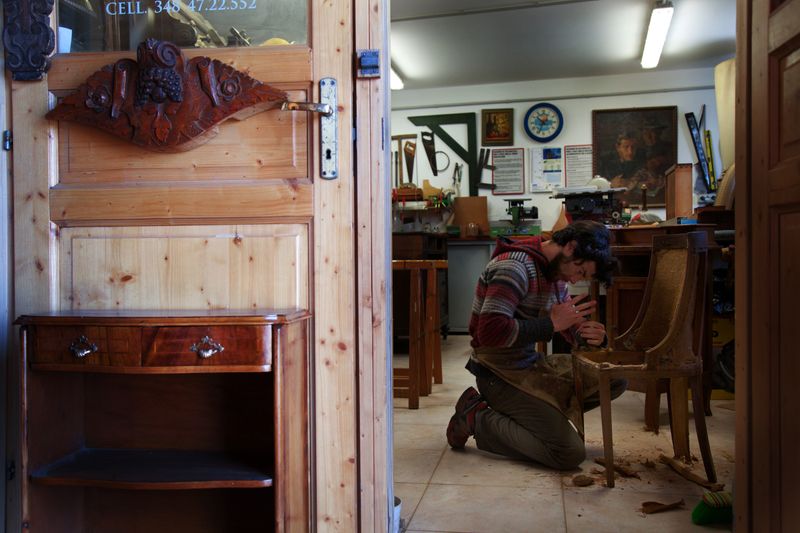
Where the item had no market at all, any use created is a gain and nothing has been lost. Broken, incomplete and unfashionable items are the right candidates, and they are also the cheapest to acquire. Modification that restores function, such as rewiring a lamp or fitting a modern mechanism, adds value rather than removing it.
Over a funding cycle, skilled work by someone who can actually execute it commands a price; enthusiastic work generally does not.
The honest question is whether you are making something better or making something different.
The materials argument
Using an existing object as raw material avoids new material, which is a real environmental benefit where the object was genuinely waste. Where the object was not waste, the same argument does not apply, because the item was already in use and displacing new production. Modification also frequently adds new material: paint, adhesive, fixings and coatings, some with their own environmental cost.
From the receiving end, the strongest environmental case is for repair and continued use rather than for transformation into something else. That distinction is often blurred in how such projects are described.
Volunteers cost an organisation time to train, so short-term help is not always help.
Deciding before you start
Find out what the item is worth unmodified, which takes a few minutes and prevents the most expensive mistakes. Ask whether anyone wanted it as it was, and if the answer is nobody, proceed without concern.
Prefer reversible changes where you are unsure, and keep whatever you removed. Assume the modified item will be difficult to sell, and only make things you actually intend to keep and use. Made for yourself, it is a good use of a Saturday; made to sell, it is usually a poor business.
The takeaway
Ask whether anyone wanted it as it was; if nobody did, do whatever you like to it.
Give the boring thing they asked for rather than the interesting thing you have.
Questions readers ask
Should I paint an old chest of drawers?
Check what it is first. Solid timber or veneered pieces with original finish generally lose value permanently. Damaged or low-quality pieces are ideal candidates.
Is upcycling environmentally worthwhile?
Where the item was genuinely waste, yes. Where it was still usable and wanted, repair and continued use makes the stronger case.
Also by Nirmala Saxena
- Naming a Charity in a Will Without Creating a ProblemGiving & Donating
- What Employer Matching Schemes Actually MatchGiving & Donating
- The Second Gift Is the One Fundraisers Care AboutGiving & Donating
- The Volunteer Roles Charities Struggle Hardest to FillVolunteering