Volunteering
Why One Afternoon of Help Can Cost an Organisation Two Days
Short volunteering placements carry setup costs that fall entirely on the host. Whether they are worth it depends on the type of work involved.
This is less a set of instructions about the overhead of short volunteer placements than an argument, and it is worth saying so at the start.
The argument in brief
- Induction, supervision and checks precede any useful work.
- Some tasks have a fixed setup cost regardless of duration.
- Repeat volunteers amortise the overhead that one-offs cannot.
The work before the work
Before a volunteer does anything, somebody has to answer the enquiry, arrange a time, explain the role, run a safety briefing and be available while it happens. That sequence takes roughly the same amount of staff time whether the volunteer stays for three hours or three years. In organisations working with children or vulnerable adults, a background check is usually required first, and those take weeks and cost money.
The cost is borne by the organisation, does not appear in any funder report, and is invisible to the volunteer. It is the single largest reason a charity might decline an offer of help it genuinely needs.
Supervision is not free either
Someone experienced has to be reachable while an unfamiliar person is doing the work, which usually means that person is not doing their own. The ratio matters enormously: one experienced supervisor can oversee a dozen people sorting donations but perhaps two doing anything requiring judgement.
Groups of one-off volunteers therefore work best on tasks that are simple, visible, and impossible to get badly wrong. Roles involving confidentiality, safeguarding or money have supervision requirements that make short placements impractical rather than merely inefficient. This is why the tasks offered to casual volunteers can feel menial, and it is a constraint rather than a snub.
Where the overhead is genuinely low
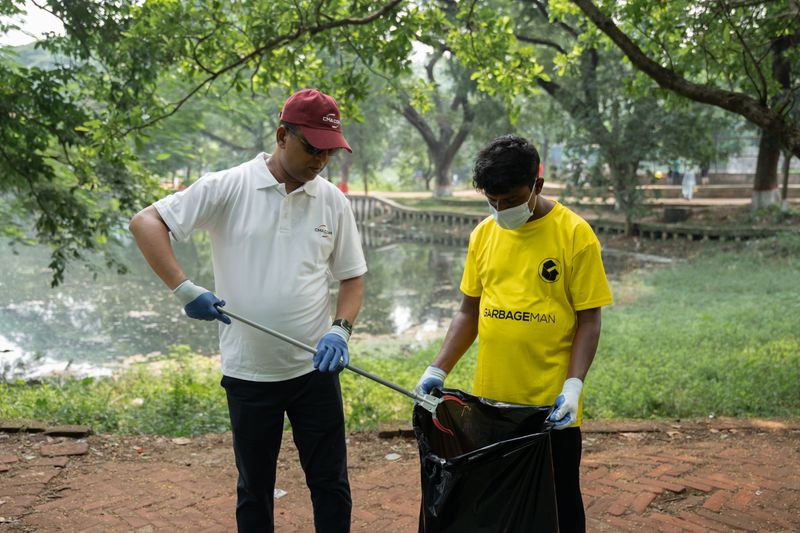
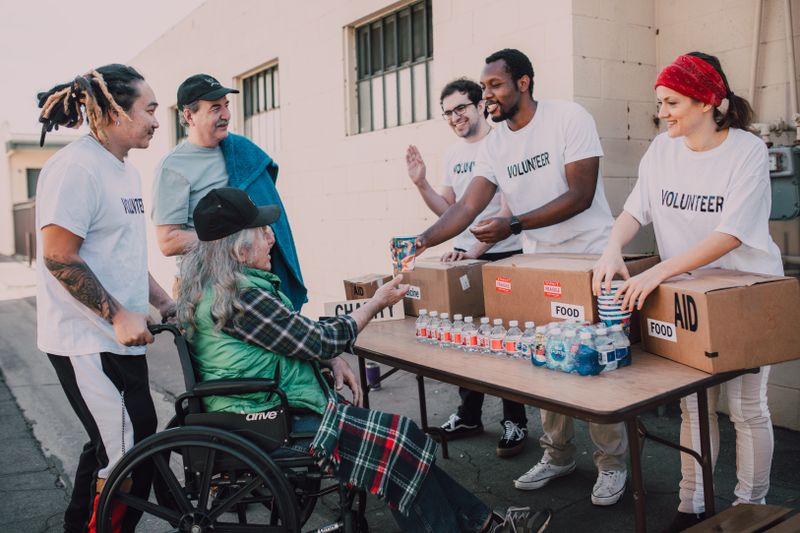
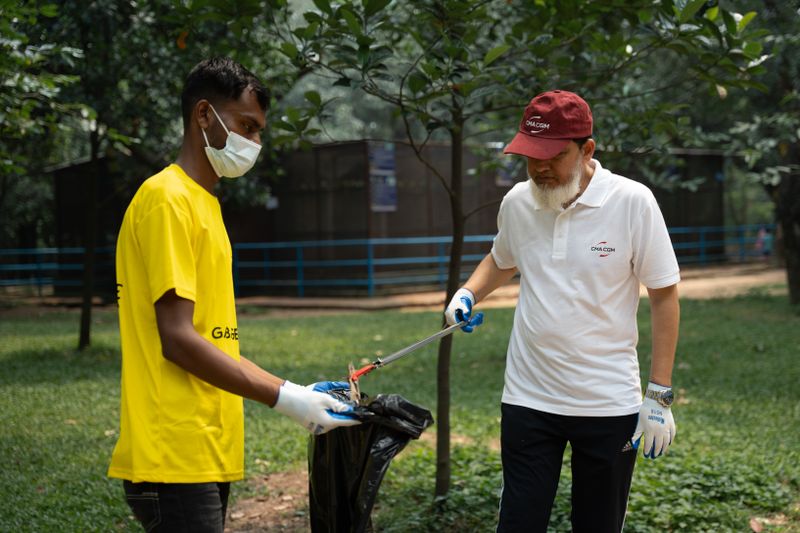
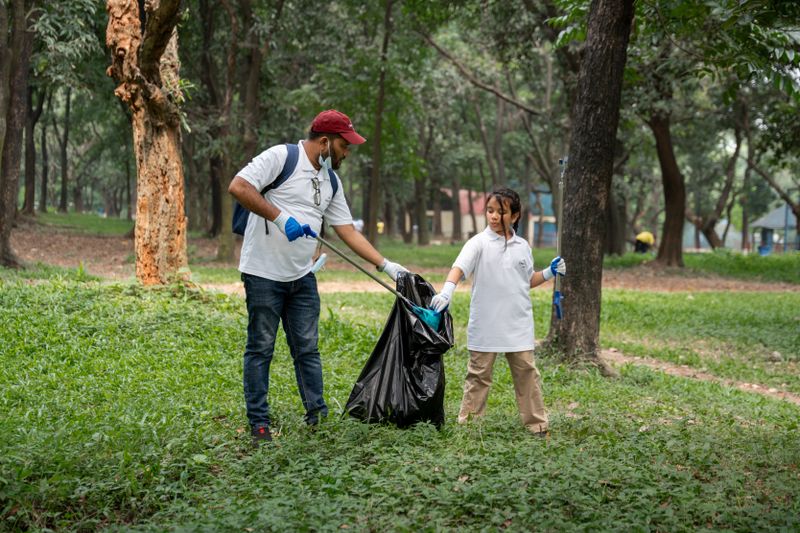
Physical outdoor work absorbs large numbers of unskilled hands with minimal setup, which is why conservation days and litter picks are the standard offering. Bulk sorting, packing and event marshalling have the same property, being high-volume, low-judgement and easily supervised in groups. One-off fundraising events are designed around temporary help and would not function without it.
Sorting the donation bags, in these cases a large group of strangers for one afternoon is exactly the right resource and produces real output. The mismatch arises when the same model is applied to service delivery, which does not decompose that way.
Amortising the setup
A volunteer who returns weekly for a year pays back the induction cost within the first month and produces genuine value for the remaining eleven. The learning curve matters more than most people expect, since knowing where things are and who to ask is a substantial part of being useful. Organisations therefore optimise for retention in exactly the way fundraising teams optimise for donor retention, and for the same arithmetic reasons.
On the shop floor, a commitment of two hours a week for six months is worth considerably more than a full day once, despite being fewer hours in total.
Saying at the outset which of the two you are offering lets the organisation place you correctly.
The honesty problem
Charities are reluctant to say that some offers of help cost more than they yield, because refusing volunteers publicly damages the relationships that produce donors and trustees. So the offer is accepted, an afternoon is found, and everybody reports a success while the coordinator quietly loses a day. That dynamic is worth knowing about, since it means enthusiasm alone will rarely be turned down and cannot be treated as confirmation of usefulness.
Bought used, the way through it is to ask directly what the organisation actually needs and to accept the answer even if it is unglamorous. The most useful question is what they cannot currently get done, not what you would like to do.
Organisations need what they say they need, which is often unglamorous and often money.
Making a short placement worth it
Come as a group if the task suits volume, since one briefing serving fifteen people is a far better ratio than one serving two. Bring a skill the organisation would otherwise pay for, which changes the calculation entirely regardless of duration. Do the administrative preliminaries in advance, including any checks, so the day itself is not consumed by paperwork.
Ask what happens next and whether returning would help, because the second visit costs the organisation almost nothing. If the honest answer is that money would help more than hands, that is worth hearing rather than resisting.
The takeaway
Ask what they cannot get done, then offer to do that repeatedly rather than something else once.
Give the boring thing they asked for rather than the interesting thing you have.
Questions readers ask
Why did a charity turn down my offer to help?
Usually because supervising or checking a new volunteer costs more than the task would save, or because the roles they need filled require a longer commitment. It is rarely about the individual.
Is a corporate volunteering day useful at all?
It can be, for bulk physical tasks arranged well in advance with the organisation's input. It works badly when the day is booked first and a suitable task is sought afterwards.