Secondhand & Thrift
The Charity Shop Pricing Decision, From the Other Side of the Counter
Prices in a charity shop look arbitrary because the shop is solving a different problem from the one shoppers assume. It is optimising floor space, not value.

What follows is an argument about how charity shops set prices, and about where the received version of it stops being true.
The argument in brief
- Stock turnover matters more than the price of any individual item.
- Space, not supply, is the binding constraint in most shops.
- Volunteers pricing by guesswork is a cost the shop accepts deliberately.
The constraint is space, not stock
Most charity shops receive more donated goods than they can display, so the limiting factor is shelf and rail space rather than supply. That reverses ordinary retail logic: the question is not how much an item is worth but how much space it will occupy and for how long.
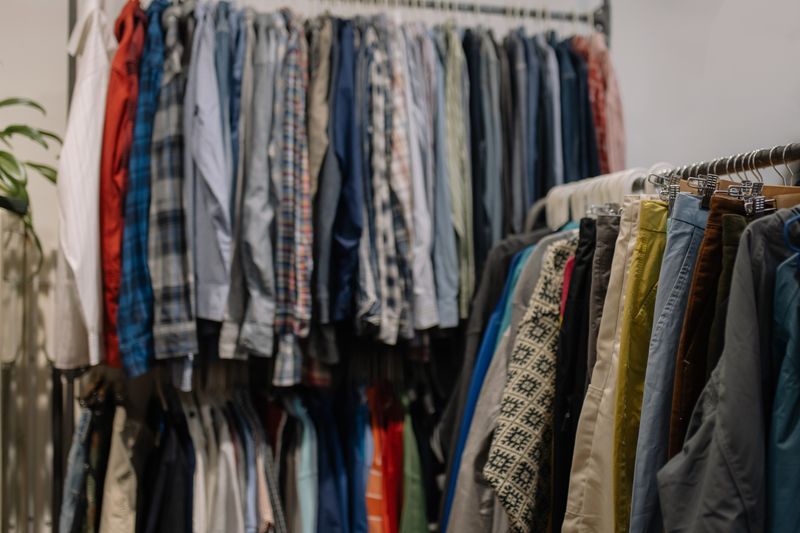
An item priced too high occupies space for weeks and blocks the sale of everything that would have used that space instead. This is why shops mark down aggressively on a schedule and why a slow item disappears rather than sitting until somebody wants it. The revenue that matters is revenue per rail metre per week, which is a different number from the price on any tag.
Who is actually doing the pricing
In most shops pricing is done by volunteers, often with a printed guide for common categories and personal judgement for everything else. The knowledge required to price accurately across clothing, books, china, electricals and collectables does not exist in one person. Shops accept a level of pricing error deliberately, because employing enough expertise to eliminate it would cost more than the error does.
That accepted error is precisely why occasional bargains reach the floor, and it is a design consequence rather than an oversight. Chains with central valuation teams remove more of the error, which is why their pricing feels tighter and their bargains rarer.
Why identical items differ between branches
Rent, footfall, local incomes and the volume of donations vary enormously between locations, and pricing follows local conditions. A shop in an area with high donation volume can afford to price low and turn stock quickly; one with thin supply cannot.
Bought used, managers usually have discretion within a framework rather than a fixed price list, which produces variation even within a single chain. Seasonal pressure matters too, since a coat in September and the same coat in March face completely different demand. None of this is inconsistency so much as many small local optimisations running independently.
The high-value exception
Items identified as valuable are frequently routed away from the shop floor to online listings, specialist sales or dedicated branches. This raises more money and is the correct decision for the charity, while reducing the chance of any given shop containing a bargain. The identification depends on someone recognising the item, which is exactly the capability that varies most between shops.
Bought used, branded clothing, collectable china, vinyl and vintage are the categories most systematically pulled, because they are easiest to recognise.
The categories with no obvious brand signal are where mispricing survives longest.
What the shop cannot sell
Electrical goods generally require safety testing before sale, which costs money and means some donated items are not worth processing. Upholstered furniture is subject to fire safety labelling rules in various jurisdictions, and unlabelled items usually cannot be sold at all. Cosmetics, medicines, car seats, cot mattresses and helmets are commonly refused for safety reasons rather than commercial ones.
From the receiving end, textiles too worn to sell are typically sold by weight into the recycling trade, which produces a small but reliable income stream. Genuinely unsellable material costs the shop money to dispose of, which is why donation guidance is more specific than people assume.
Volunteers cost an organisation time to train, so short-term help is not always help.
Shopping with this in mind
Visit shortly after the shop's usual sorting day, since that is when new stock reaches the floor rather than sitting in the back. Look in the categories requiring knowledge to price, because that is where the accepted pricing error concentrates.
Ask when markdowns happen, since most shops run a schedule and staff will usually tell you what it is. Do not haggle over ordinary items, because the price is a space decision rather than an opening offer. Do ask about anything that has clearly been sitting for weeks, where the shop's incentive genuinely aligns with yours.
The takeaway
The price is about how long the item will occupy the rail, not about what it is worth.
Give the boring thing they asked for rather than the interesting thing you have.
Questions readers ask
Why is this shop more expensive than the one down the road?
Rent, local incomes and donation volume differ, and managers price to local conditions. Pricing is about turning over limited space, not about matching other branches.
Can I haggle in a charity shop?
Usually not on fresh stock, since price reflects a space decision. On something that has clearly not moved for weeks, asking is reasonable.